
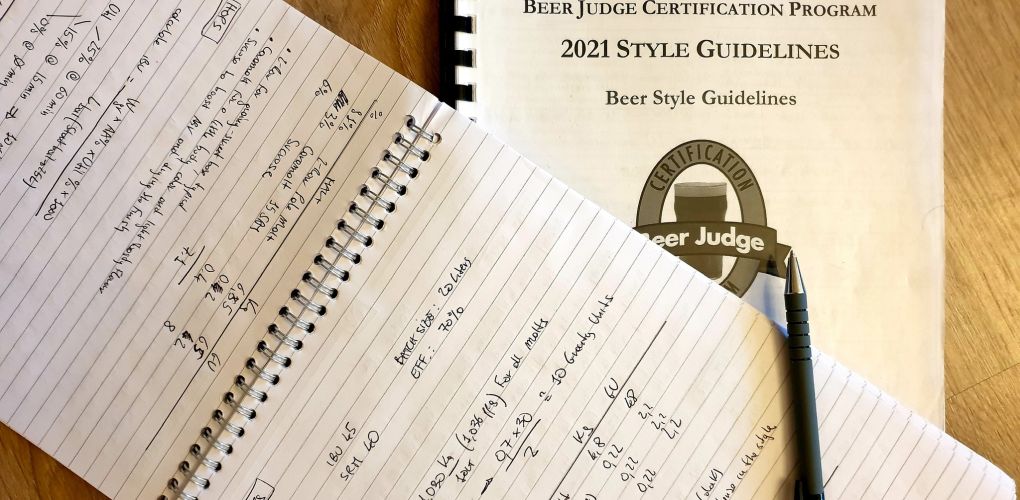

Finally I did it. On Saturday 15 October I sat for one hour and a half at a table, writing about beer. I delved into beer styles, crunching recipe numbers and explaining off-flavours. As the icing on the cake, I listed all malt types and yeasts choices based on specific parameters. In a nutshell: I took the BJCP Written Exam.
Finally I am free, lighter, no more early morning studying before starting my day job. It was not easy, memorizing all the stuff in my rusty memory, but with some practice I managed to do the job. I don’t know exactly how it went, I won’t for months since it usually takes a lot of time to get the results back, but I did it. I answered all the five questions in detail without faltering, no panic attacks, my right hand was still working properly without cramps after the 90 minutes hand-writing session and that was it [SPOILER: I got a stunning 93/100! More details here].
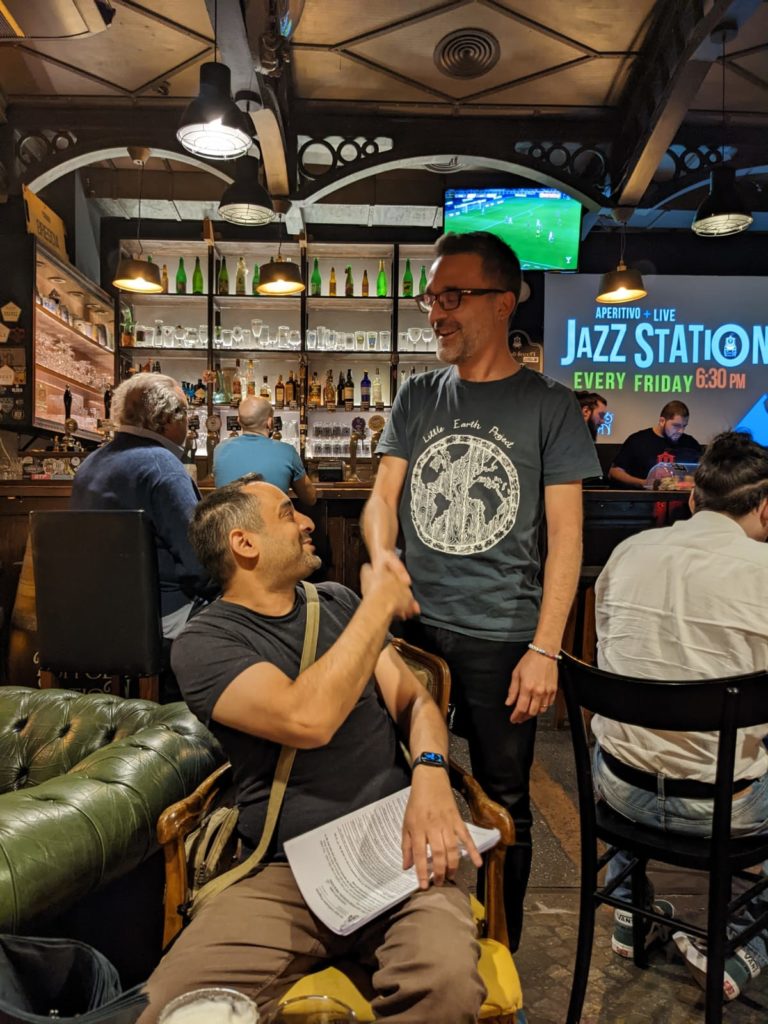
At 6.30 pm I handed the paper over to Omer Basha, our regional BJCP representative, and celebrated with some pints at Luppolo Station, in Rome.
[SPOILER: my score was a stunning 93/100! More on that here]
Without doubt, one of the most challenging exams of my life. Well, my adult life, after the university studies which ended back in 2003.
In the next months I will delve into how I prepared for the exam, sharing advice on how and what to study, practical study material and stuff like that. Today, I would instead focus on something different.
[UPDATE: here is the page collecting all the posts I have written since with advice on how to tackle the Written Exam]
A lot of people think that this exam is just about memorizing a pile of data with no practical use. Judges are allowed to read the styles guidelines during the judging sessions, aren’t they? So why memorizing all the beer styles in such detail? What for? To show off with friends and fellow judges? Does studying for the BJCP Written Exam really help improve your knowledge about beer, or is it just a kind of delusional race into madness?
I was skeptical before really getting into it, as a lot of people are, but in the end I changed my mind. Here is why.
BECOMING AN EXPERT
I used to play drums back in the days. I started hitting the drums when I was 12, went to music school for several years, played in some bands. I was considered a good drummer, I used to write songs and compose a lot of music, but never really got to be really good at drumming. I had a feeling for the beat, for the music, but technically I never went that far.
The main reason was that I liked music more than drums. The drums were just a way to express myself in the music world. I liked writing songs, being on stage, spending time with my fellow bandmates. I did not exercise much, I just did what I was told by my various drumming teachers, but mostly I enjoyed playing after famous songs, band albums or just hitting the drums to let some steam off.
I have never been an expert on drumming. Ever. But now I would like to become an expert on beer, and I am on my way.
Becoming an expert on something requires a lot of passion, commitment and focus. Malcolm Gladwell says that 10.000 hours of practice on anything will make you an expert. But it is not as simple as that. Of course, you have to build some knowledge and practice a lot to become an expert on something. But memorizing stuff is not enough. It is actually a mix of memory, pattern recognition, practice, trial and error, validation.
This concepts are well summarized in this video by Veritasium, where 4 criteria for becoming an expert on something are described and explained in detail:
- many repeated attempts with feedback
- a valid environment (makes things predictable)
- timely feedback to ease up learning the regularities of the environment. Delayed feedback is a problem
- Don’t get too comfortable. In order to learn you have to push beyond your comfort zone
Tasting beer around the world and/or judging beer in competitions usually don’t properly match these criteria. There is no real feedback (from the judge point of view) and the environment, the tasting experience itself, is not that predictable after all (tasting is subject to a lot of different bias). After some judging in beer competitions, often with all the same people, the comfort zone embraces you and never lets go.
I am not saying those activities are not important for a judge, they actually are pivotal, but doing just that could not be enough to increase your knowledge and judging abilities.
LET’S GET TO THE POINT
Why do I think that the BJCP Written Exam is actually not that delusional? Because it forces you to study and to really delve into styles. It forces you to read the guidelines thoroughly. And it pays back.
I know that a lot of judges are convinced that they already nailed all of it via tasting, travelling and talking to people, but this is not always true. It was not like that for me either, notwithstanding the fact that I have been tasting, studying, homebrewing and learning about beer for more than ten years now.
To really pin down a beer style when you taste a beer you need to find patterns, because every beer is different from the other, even if they are brewed in the same style. You cannot find patterns if you don’t know stuff.
Reading again and again the guidelines, writing them down and checking if I was right about nuances, aromas, intensities, colour and ABV ranges fixed things into my mind. After a while, I began making fast connections between styles, while I discovered interesting details I had missed before. Through the details I got confidence, knowledge, expertise.
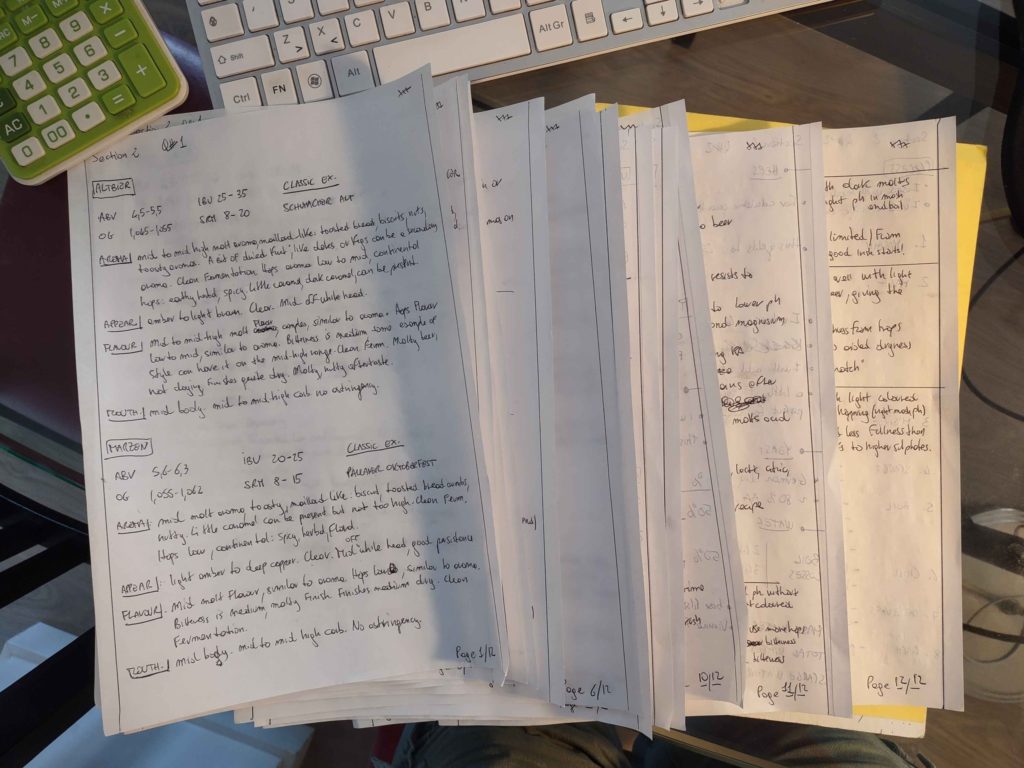
I don’t know if I passed the exam. Well, I probably did, but I don’t know if I will get the “above 80s” score that I need to become a BJCP National judge. I studied a lot, though. The studying was part of my daily routine for almost a year. Bit by bit, I saw my knowledge about styles grow deeper and deeper.
Studying for the BJCP Written Exam really matches the criteria at the base of becoming an expert, cited in the above video:
- you get timely feedback, as you try to write down the style details by heart and check them immediately against the guidelines
- you work in a valid environment – the Style Guidelines. Of course some details about BJCP styles are questionable, but they are all written down in detail for you to learn and discuss
- it challenges your comfort zone. Too many judges out there think that they already reached the highest level possible. They don’t challenge their knowledge anymore. Some of them never even took a single exam. Being under examination is though, being evaluated is rough. A lot of beer judges become more and more accustomed to assigning scores to other people’s work, without ever doubting about their own capabilities. Assessing your real knowledge through an exam is a good way to challenge yourself in order to grow as a judge and as a human being.
WAS IT WORTH IT?
Yes, it definitely was. At least for me. It was tough, it is going to be frustrating if I don’t get the score I need, but I enjoyed the whole journey anyway. It really challenged my knowledge about beer, my ability to focus, concentrate and learn.
Above all, I am feeling more comfortable when judging others people’s beers because at least I made an effort. I tried to evolve, grow and learn. We should also remember that, as judges, we have a responsability towards the brewers: let’s live up to that.
 Perché il BJCP Written Exam è un valido strumento di apprendimento (e non solo una gran rottura di maroni)
Senza dubbio, è stato uno degli esami più impegnativi della mia vita. Be’, della mia vita adulta almeno, visto che l’università l’ho chiusa nel lontano 2003.
Nei prossimi mesi racconterò come mi sono preparato, condividendo consigli su cosa e come studiare, materiale pratico e tutto il resto. Oggi, però, voglio concentrarmi su qualcos’altro.
[UPDATE: qui la pagina che raccoglie tutti i consigli che ho scritto dopo per il Written Exam]
Molti pensano che questo esame sia solo un ammasso di dati da memorizzare, senza alcuna utilità pratica. In fondo i giudici possono consultare le linee guida durante le sessioni di giuria, giusto? Allora perché imparare a memoria ogni stile nel dettaglio? A che scopo? Per fare bella figura con amici e colleghi giudici? Studiare per l’esame scritto BJCP serve davvero ad approfondire la propria conoscenza della birra, o è solo una corsa folle verso la pazzia?
Anche io ero scettico prima di buttarmici dentro, come lo sono in molti, ma alla fine ho cambiato idea. Ecco perché.
Cosa significa davvero diventare un esperto
Un tempo suonavo la batteria. Ho iniziato a 12 anni, sono andato a scuola di musica per diversi anni, ho suonato in qualche band. Ero considerato un discreto batterista, scrivevo canzoni e componevo un sacco di musica, ma tecnicamente non sono mai stato un fenomeno. Avevo un mio stile distintivo, un feeling per la musica e la melodia, ma sul lato tecnico non sono mai andato oltre un certo livello.
Il motivo principale era che mi piaceva la musica più della batteria in sé. La batteria era solo un modo per esprimermi nel mondo musicale. Mi piaceva scrivere canzoni, stare sul palco, passare tempo con i compagni di band. Non mi esercitavo granché, facevo quello che mi dicevano i vari insegnanti delle scuole di batteria che ho frequentato, ma principalmente mi divertivo a suonare canzoni famose, album di band che amavo, o semplicemente a sfogarmi picchiando forte sulla batteria.
Non sono mai stato un esperto di batteria. Mai. Ma ora vorrei diventare un esperto di birra, e ci sto lavorando.
Diventare esperti in qualcosa richiede passione, impegno e concentrazione. Malcolm Gladwell sostiene che 10.000 ore di pratica in qualsiasi campo ti rendono un esperto in quel campo. Ma non è così semplice. Certo, serve costruire conoscenza ed esercitarsi molto per diventare esperti in qualcosa, però memorizzare nozioni non basta. È piuttosto un mix di memoria, riconoscimento di pattern, pratica, tentativi ed errori, validazione.
Questi concetti sono ben riassunti in questo video di Veritasium, dove vengono descritti e spiegati nel dettaglio 4 criteri per diventare esperti in qualcosa:
- passare per moltissimi tentativi ripetuti, con feedback
- lavorare in un contesto valido, governato da regole ben delineate che diano risultati prevedibili
- ottenere feedback tempestivo, per facilitare l’apprendimento: il feedback in ritardo è un problema
- non adagiarsi troppo sulla comfort zone: per imparare bisogna spingersi oltre i propri limiti
Per quanto riguarda l’attività tipica del giudice di birra, possiamo tranquillamente concordare che assaggiare birre in giro per il mondo e/o giudicare birre nei concorsi, di solito, non rispetta pienamente questi criteri. Non c’è un vero feedback (dal punto di vista del giudice) e l’esperienza di assaggio in sé non è poi così prevedibile” (l’assaggio è soggetto a numerosi bias). Dopo un po’ di giurie nei concorsi, spesso con le stesse persone, la comfort zone ti avvolge e non ti lascia più andare.
Non sto dicendo che queste attività non siano importanti per un giudice, anzi sono fondamentali, ma da sole potrebbero non essere sufficienti per accrescere la propria conoscenza e le proprie capacità di giudizio.
Veniamo al punto
Perché penso che l’esame scritto BJCP non sia poi così folle? Perché ti costringe a studiare, a entrare davvero nel dettaglio degli stili. Ti costringe a leggere le linee guida a fondo. E questo, alla lunga, ripaga.
So che molti giudici sono convinti di aver già assimilato tutto tramite assaggi, viaggi e chiacchierate con altri appassionati, ma non è sempre così. Non lo era nemmeno per me, nonostante assaggi, studio, homebrewing e approfondimenti sulla birra da più di dieci anni ormai.
Per inquadrare davvero uno stile birrario mentre lo si assaggia, bisogna trovare pattern: ogni birra è diversa dall’altra, anche se nate dallo stesso stile. E non si possono trovare pattern se non si conosce a fondo la materia.
Rileggere le linee guida più e più volte, trascriverle, verificare se avevo colto bene sfumature, aromi, intensità, colore e range di ABV: tutto questo ha fissato le nozioni nella mia mente. Dopo un po’, ho iniziato a fare collegamenti rapidi tra stili, scoprendo dettagli interessanti che mi erano sfuggiti prima. Attraverso quei dettagli ho guadagnato sicurezza, conoscenza, competenza.
Ne è valsa la pena?
Sì, decisamente. Almeno per me.
È stata dura, e sarà frustrante se non arriverò al punteggio che mi serve, ma il percorso mi è piaciuto comunque. Ha messo davvero alla prova la mia conoscenza della birra, la capacità di concentrarmi e di imparare.
Soprattutto, ora mi sento più a mio agio quando giudico le birre altrui, perché almeno ci ho messo impegno. Ho provato a evolvere, crescere, imparare. Dovremmo anche ricordarci che, come giudici, abbiamo una responsabilità verso i birrai: cerchiamo di esserne all’altezza.



Congrats!
Now what’s next step?
Davvero i miei più vivi complimenti. Il corso AIS sommelier a tre livelli ha richiesto esattamente questo tipo di focus e impegno, e ne è totalmente valsa la pena.
Grazie!
Congratulations Frank!
I am studying to take the written exam in spring of 2023 here in Phoenix, Arizona.
Thank you so much for material that you have posted!
The Written Exam Random Question Generator is really helpful.
Your infographic charts for Stouts and Belgian beers are amazing. I’m sure you could monetize those if you expanded them and did groupings for all the beers in a similar way. I’m sure they would be an invaluable asset for anyone studying for the BJCP Tasting and Written exams. I’ve spent a lot of time searching the web for helpful material and your info graph charts are among the best I’ve seen.
Keep up the good work!
Thanks a lot for youe feedback Dave, much appreciated! I am glad my posts helped. I’ve got a lot of material yet to publish, trying to find time for writing more articles. Cheers!
Hi Frank.
Just finished taking the written exam here in Arizona. Want to thank you again for the study material you created. It was so helpful! I took your random exam every day in April and it helped a lot in building stamina for the exam. I adapted one of your sheets as a summary to help me with styles. Obviously, it will be awhile before I get my results but I’m hopeful.
I don’t know if you got your results yet but I hope you did well.
Dave Rybarczyk
Great job, Dave! I am still waiting for my results, six months have now passed. I also have other advice and material to publish on the blog, I’ll get to that as soon as I find some time elaborate it and squeeze it into some new posts.
I am really glad that what I published till now helped. I hope you did great!
Hello Frank,
I just got my BJCP Written Exam results back. Scored and 83. Good enough for National which was my objective. Did you get your score back yet? I know the international exams have been taking longer.
Thanks again for your study material. It helped me a lot.
Best Regards,
Dave Rybarczyk
Great job, Dave! Congratulations. I haven’t got my results back yet, but they told the exam is graded and just waiting for the next db update which should run at the beginning of november. Let’s hope for the best!
I can’t really understand why an international exam taken in English could take that longer to be graded compared to US exams, but anyway. 🙂
I finally got my results back. A stunning 93/100! Can’t still believe it! I am going to publish some more post about the Written Exam in the near future.
Wow that’s a great score! Congratulations!
Onward to Master. Definitely doable with a score like that.