
Bene, per questa stagione direi che ci siamo. Avevo ipotizzato di proseguire fino a fine luglio, ma ho deciso di anticipare: è arrivato il momento di staccare un po’ le pubblicazioni qui sul blog.
Sono sul treno, di ritorno da Milano, dove ho partecipato al primo Tasting & Demo Exam italiano del Certified Cicerone. Ben nove anni fa, nel 2017, partecipai al primo Tasting Exam del BJCP in Italia. Curioso aver preso parte alle prime edizioni italiane di entrambi i programmi di certificazione.
Be’, come è andata? Non lo so, non abbiamo avuto riscontri diretti: i risultati ufficiali arriveranno tra qualche settimana. Qualche riflessione a caldo possiamo comunque tentarla.
Come si è svolto l’esame
L’esame è stato gestito dal Certified Cicerone Erica Benucci. Come proctor, Erica si è occupata di preparare i campioni di assaggio e di registrare la prova orale.
Il programma Cicerone è abbastanza rigoroso per quanto riguarda la metodologia di preparazione e lo svolgimento dell’esame: la location è stata esaminata accuratamente prima di accordare il permesso per svolgere l’esame, ed Erica ha ricevuto istruzioni precise da seguire passo passo sia per la selezione che per la preparazione dei campioni in assaggio.
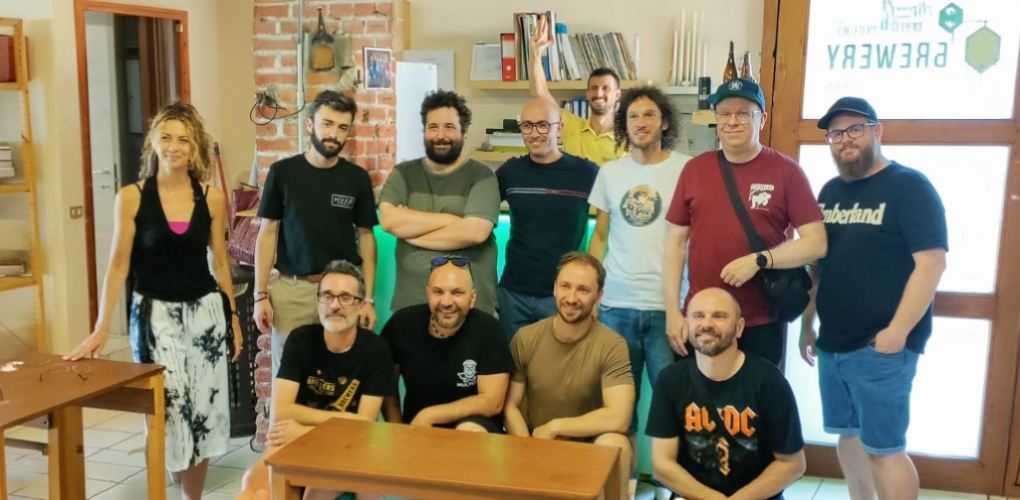
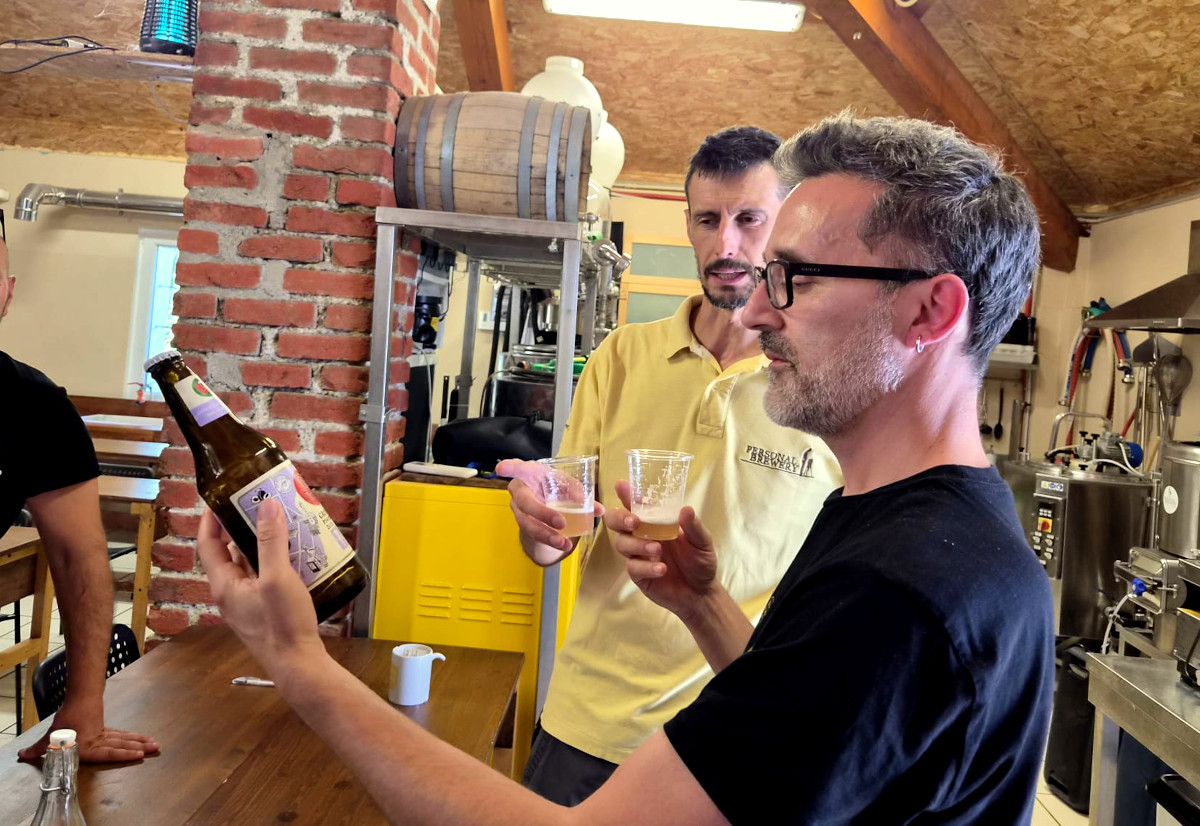
La prova si è svolta a Milano presso la sede di Personal Brewery, partner ufficiale del Cicerone in Italia. È un luogo del cuore per me: nasce come laboratorio per produrre birra, ma ospita costantemente attività didattiche ed esami. Qui ho tenuto diverse lezioni, inclusa quella sui difetti per il corso di avvicinamento all’esame BJCP. A novembre, sempre da Personal Brewery, si terranno sia il Tasting che il Written Exam del BJCP.
Location versatile, comoda, facilmente raggiungibile. L’ospitalità è sempre al top, l’organizzazione perfetta.
È stata la mia prima volta per questo esame. Ho già spiegato come funziona il programma Cicerone e come si svolge il Tasting & Demo Exam. Si è svolto tutto come anticipato, senza sorprese: 12 campioni, 45 minuti per assaggiarli e identificare difetti e stili.
Ci è stato consegnato subito il foglio su cui segnare gli stili e i difetti identificati (simile a questo), poi sono iniziati ad arrivare i campioni. Una volta arrivati quelli del primo quesito (l’identificazione dei difetti), abbiamo girato il foglio e l’esame è iniziato.
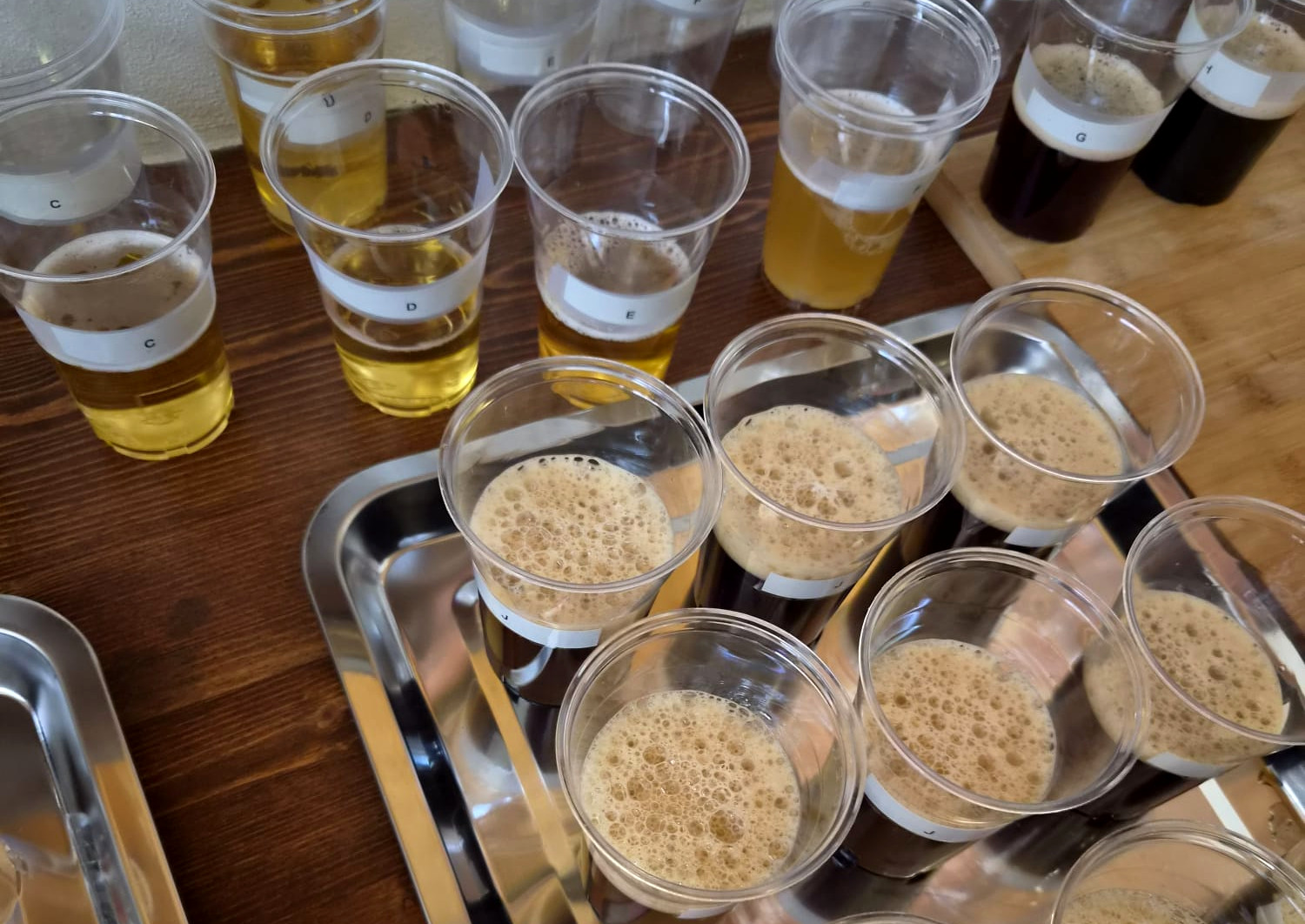
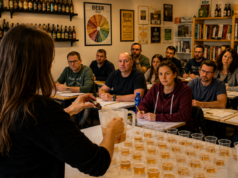
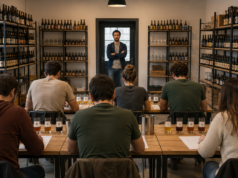
Gli altri campioni sono stati serviti uno dopo l’altro con continuità, senza pause. Nel giro dei primi 10 minuti, tutti i bicchieri con le relative etichette (A, B, C, D, …) erano sul tavolo.
Devo dire che 45 minuti sono più che sufficienti per gestire questa parte dell’esame. Sono poco meno di 4 minuti a birra: nella maggior parte dei casi l’identificazione avviene nel primo minuto. Su due o tre birre ci si può concedere qualche riflessione in più.
Terminata questa prima parte, siamo usciti tutti fuori dalla sala per essere poi richiamati uno ad uno per svolgere la parte orale. Anche qui, nessuna sorpresa: 3 minuti, breve discorsetto in inglese davanti alla telecamera ed esame finito. Per questa parte dell’esame bisogna preparasi bene: tre minuti sono pochi, si rischia facilmente di andare fuori tempo.
Come è andata?
Ovviamente, ancora non lo so. Ci manderanno il dettaglio di come sono stati trattati i campioni difettati dell’esame entro due giorni lavorativi. Quindi, presumibilmente, in settimana avrò un’idea più precisa di come è andata. I risultati finali arriveranno entro quattro settimane.
Avendo preso 95% al Written Exam, per passare mi sarebbe sufficiente un 70% nella sezione Tasting. Non so esattamente come funzioni il punteggio di questa sezione, ma più o meno dovrebbe corrispondere a sbagliare al massimo l’identificazione di 2-3 birre su 12.
Non è stato difficilissimo, ma nemmeno semplice. Ho avuto un po’ di problemi con uno dei quattro difetti (che spero di aver azzeccato). L’identificazione degli stili è stata abbastanza semplice, credo di non aver sbagliato. L’unico leggermente critico è stato il confronto tra Dubbel e Doppelbock. La torbidità, il fruttato spinto, la carbonazione sostenuta e la secchezza mi hanno spinto a identificare il campione come Dubbel. Speriamo sia corretto.
L’ultima parte, quella dove va indicato se la birra è idonea al servizio, è stata la più complicata. Non sono convinto di aver azzeccato l’analisi di tutti e quattro i campioni di questa sezione, ma sono abbastanza confidente di averne prese 3 su 4. Il che dovrebbe essere sufficiente per passare.
Non mi resta che aspettare.
Per quanto riguarda i post qui sul blog ci rivediamo a settembre, ma qualche uscita random della newsletter potrebbe partire. Potrei pubblicare anche il post relativo al Written Exam del Certified Cicerone, ma non sono sicuro. Sicuramente pubblicherò su Facebook e su Instagram i risultati dell’esame, quando arriveranno.
Buona estate!
Altri post sul Cicerone:
- Cos’è il Cicerone e in cosa è diverso dal BJCP
- Come funziona l’esame Tasting and Demo
- Guida al Written Exam

That’s a wrap on the Certified Cicerone® exam
Well, for this season I think that’s a wrap. I had planned to keep writing and posting until the end of July, but I’ve decided to move things up: it’s time to take a proper break.
I’m currently on the train, heading back from Milan, where I took part in the first-ever Italian Tasting & Demo Exam for the Certified Cicerone. It’s funny to think that nine years ago, in 2017, I participated in the first BJCP Tasting Exam held in Italy. It’s quite a coincidence having been part of the debut editions of both certification programs in this country.
So, how did it go? I honestly don’t know. We didn’t get any direct feedback, and official results won’t be out for a few weeks. Still, we can try to draw some initial conclusions.
The Examination Process
The exam was managed by the Certified Cicerone Erica Benucci. As the proctor, Erica was in charge of preparing the samples and recording the oral portion.
The Cicerone program is quite rigorous regarding preparation methodology and exam procedures: the location was thoroughly vetted before the exam was approved, and Erica received precise, step-by-step instructions on how to select and prepare the tasting samples.
The test took place at Personal Brewery, in Milan, an official Cicerone partner in Italy. It is a place I can now call my “home away from home” without hesitation: it started as a pilot brewery, but it also hosts workshops and exams constantly. I have taught several classes here, including the one on off-flavors for the BJCP prep course (the BJCP exam, both Tasting and Written, will also be held at Personal Brewery this coming November).
It’s a versatile, convenient, and easily accessible location. The hospitality is always top-tier, and the organization is flawless.
This was my first time sitting for this specific exam. I’ve already explained how the Cicerone program works and how the Tasting & Demo Exam is structured. Everything went exactly as expected, with no surprises: 12 samples, 45 minutes to taste them and identify both styles and faults.
We were handed the answer sheet to mark the styles and faults (similar to this one) right away, and then the samples began to arrive. Once the samples for the first section (the identification of faults) were on the table, we flipped the paper over and the exam officially began.
The remaining samples were served one after another without a break. Within the first 10 minutes, all the glasses with their respective labels (A, B, C, D, …) were on the table.
I should say that 45 minutes are more than enough to handle this part of the exam. That’s just under 4 minutes per beer. In most cases, identification happens within the first minute. A 45-minute exam time provides enough breathing room for closer inspection of two or three samples.
Once the first part was over, we all stepped out of the room and were called back in one by one for the talk portion, which was recorded on camera. Again, no surprises: three minutes, a short talk in English, and the exam was done. This part requires solid preparation; three minutes is not a long time, and it’s easy to run out of time
How did I do?
Obviously, I still don’t know for sure. We will be sent the breakdown of how the exam samples were treated within two business days. So, presumably, by the end of the week I’ll have a clearer idea of how I fared. The final results will arrive within four weeks.
Having scored 95% on the written exam, a 70% in the tasting section would be enough to pass. I’m not entirely sure how the grading system works, but that should leave a margin of error of no more than two or three beers out of twelve.
This part of the exam wasn’t incredibly difficult, but it wasn’t a walk in the park, either. Identifying the styles was fairly straightforward; I don’t think I made any mistakes there. The only slightly critical comparison was between a Dubbel and a Doppelbock. The turbidity, the prominent fruitiness, the sustained carbonation, and the dryness led me to identify the sample as a Dubbel. Fingers crossed that it’s correct.
The last part, where you have to indicate if the beer is fit for sale, was the most complicated. I’m not convinced I got the analysis of all four samples in this section right, but I’m fairly confident I got at least 3 out of 4, which should be enough to pass.
Now, it’s just a matter of waiting.
As for the blog, I’ll see you all in September, though there might be a few “random” newsletter editions sent out. I might publish a post regarding the Certified Cicerone Written Exam, but I’m not sure yet. I’ll definitely be posting the exam results on Facebook and Instagram as soon as they arrive.
Have a fantastic summer, you folks!
Other posts about the Cicerone program:

Hi.
When I took my exam, some years ago I remember the threshold of the off-flavors section was the most challenging for me, because the aromas were quite subtle. I’m sure you will have great results in this exam. Have a nice summer
Thanks Eduardo! I’ve tried the Siebel and Aroxa kits several times. Some off-flavors are obvious (at least to me), while I really struggle to detect others, even though I’ve tried them multiple times. It probably also depends on everyone’s personal perception thresholds. In any case, let’s hope for the best!
interessante come sempre, invidio sempre i giudici e la loro capacità di raccontare..
ma i bicchieri di plastica no, grazie!
buone birre a tutti
Ancora questi pregiudizi sui bicchieri di plastica, dai. 🙂 Ovviamente non ci berrei un’intera birra, ma se si acquistano quelli giusti vanno più che bene per un esame del genere. Anche perché valla a trovare una location che riesce a gestire 12×11 bicchieri della stessa forma, tutti perfettamente puliti. Si va molto più sul sicuro con dei buoni bicchieri di plastica, te lo garantisco.
punti di vista.
qualsiasi location seria, che vuol fare le cose bene, non ha problemi a gestire 12 x11 bicchieri, di vetro, puliti.
e lo svolgimento di un esame internazionale dovrebbe “pretenderne” l’uso.
altrimenti facciamo la sagra della cozza pelosa di Molfetta…
poi va bene tutto, anche alzarsi la mattina, decidere che si vuol fare una cotta di bitter, e se non si hanno malti crystal pazienza, sarà buona ugualmente.
tutti sti pregiudizi che per fare le bitter servono i crystal…
buone birre a tutti
Andrea
Non sono assolutamente d’accordo. Quella verso la plastica è un pregiudizio vecchio. Quando si fa questo tipo di assaggi concentrati, non ci si concentra sulla forma del bicchiere o sul materiale, puché ovviamente sia completamente inodore. Ho fatto tantisismi assaggi e nella mia esperienza, se si sceglie bene il bicchiere e il tipo di plastica, non c’è alcun problema. E non sono punti di vista. L’osservazione sulla “sagra della prochetta” è totalmente fuori luogo. Ci sono concorsi ed esami serissimi, a livello internazionale, che servono i campioni in bicchieri di plastica. Non bisognerebbe nemmeno discuterne, ma vabbè. Rimani con i tuoi pregiudizi, per me non c’è alcun problema.
ti metto il link di un paio di sagre della porchetta che usano bicchieri di plastica:
World Beer Cup
https://www.beerandbrewer.com/go-behind-the-scenes-at-the-world-beer-cup/
Great American Beer Festival
https://www.mercurynews.com/2016/10/17/great-american-beer-festival-shatters-records/